
What Is Woodturning
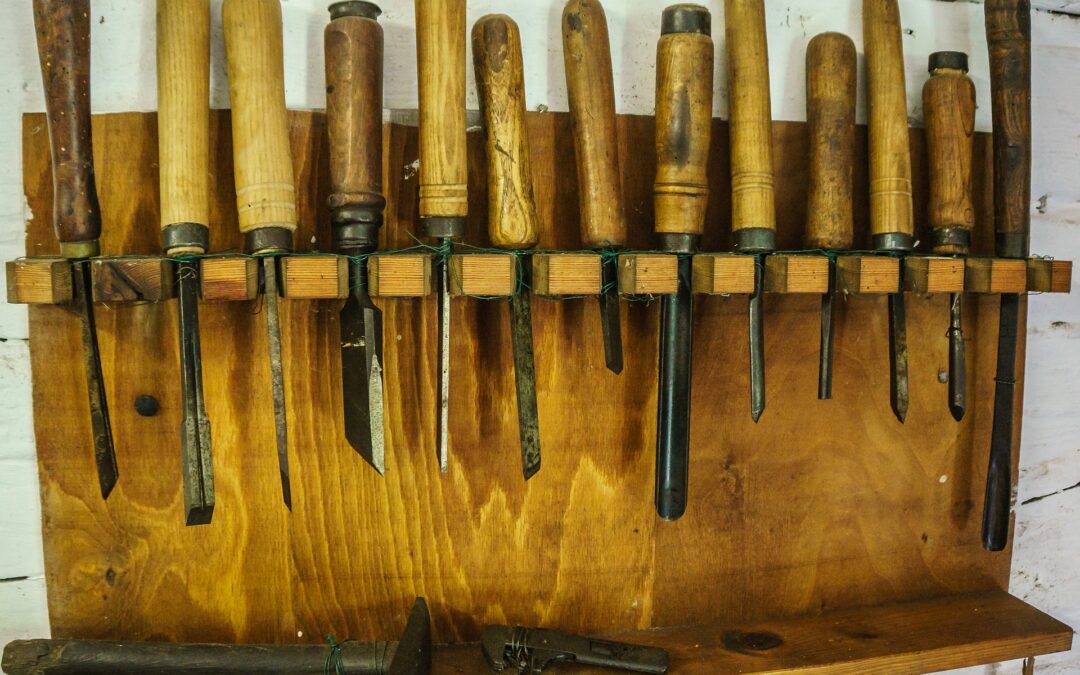
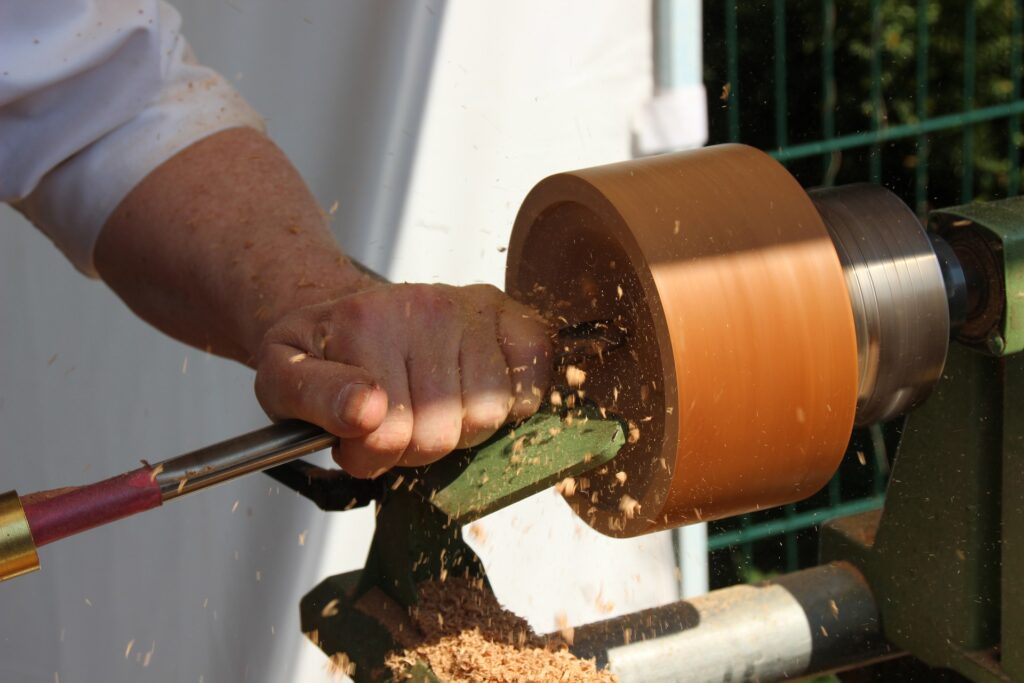
Woodturning is when wood is turned, it is cut and molded while rotating around an axis of rotation using specialist tools to reproduce a piece of wood that is reformed,
A woodturner can produce small household items like candlesticks, lamps, rolling pins, egg cups, and chess pieces. Turning Wood can also provide wood items for outdoors such as garden fence caps, indoor furnishings including decorative stair components, spindles and newels, and larger pieces like columns. A wood piece can be turned into a shape using the Wood Turning Process. The wood lathe and turnery remain relevant in the restoration of these items, despite industrial production having replaced a great deal of their production. While woodturning saves money and time, it is also a very accurate art, undertaken by people with experience and skill.
Woodturning – what it’s used for
Woodturning Furniture items such as chair legs and table legs are most commonly turned from wood, called woodturning. Wood pieces this long and thin make excellent turns for beginners, and they make excellent projects. Woodturning can be used for many other projects, including restoration projects.
Common Restoration Projects For Woodturning
People extending their home or undertaking specialist repairs often use Wood Turning experts such as Spindlewood. our most common woodturning projects include replacing stair spindles, creating components for new staircases, perhaps where a home is being extended and the design requires matching staircases. We are often called upon to replace legs on stools, chairs and tables. Columns and structures’ weather and age regularly become a requirement for a woodturning restoration project. Yachting is a perfect example of a restoration project, everything from masts and tillers to shanks and Pins or Billy Clubs.
 Renovating
An important decision you’ll have to make when embarking on a renovation project is whether to restore existing features or replace them with new ones, especially larger structures like staircases.
It may be tempting to keep the original features of a period or unusual property; however, this is not always practical, cost-effective, or even safe. Woodturning is the topic here and we will focus on wood turning restoration project considerations
What factors do you consider when evaluating the type of restoration required?
Generally, we would suggest you consider several factors when undertaking a restoration project. The answers are normally determined by the, cost, time, quality/condition, risks, shape or style, and skills available to you.
- Cost: Value is an important factor in any project, here you have an opportunity to review the cost of the restoration, along with the benefits or lifetime value achieved. You may choose a lower-cost option as an alternative to restoration or a full restoration to preserve value.
- Time: Considering the time allocated to individual tasks, restorations, deliveries, and installations is a key aspect of your restoration project. An understanding of each stage in the project and any deadlines or the impact of delays on other components in the project can be devastating if not correctly assessed and managed.
- Quality / Condition: How important is the quality in your restoration project and what is the condition of the existing item. For example, if you are replacing table legs or bedposts, do you need a high-quality restoration to restore the original architecture, look and feel of the item or a lower quality off-the-shelf solution. Here you need to decide on the existing condition, and the desired outcome/
- Risks: Risks can be associated with a range of potential outcomes, not just safety, for example, if you choose a lower-cost option is there a risk of undervaluing the item in the long term. Or using lower-skilled individuals, will this impact upon the desired quality. For example, if you are adding an extension to your home and require a new staircase would you duplicate the existing staircase, spindles, newels and handrails or introduce a newer modern option. Is there a risk in reducing the property’s value in choosing a lower-cost alternative?
- Shape / Style: can the shape be professionally reproduced, take the design of intricate spindles or newels on that restoration staircase. It is unlikely that these can be purchased from your local DIY store and may need to be professionally replicated.
- Skills: In every walk of life, qualified skills and experience will be available yet other factors have to be taken into consideration. You may ask if you can do the restoration project yourself, if the skills you require are available in the time frame, will you accept lower quality in exchange for a lower price. The availability of skills will cross all of your restoration project requirements.
Need to know more about managing your wood turning restoration project, why not speak with an expert at Spindlewood
Contact Spindlewood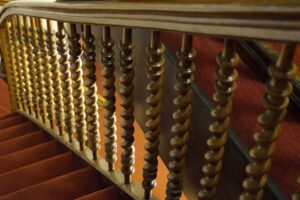
Address: The Old Bakery 8 Edward Street, Bridgwater, Somerset TA6 5ET
Website: www.spindlewoodturning.co.uk
Email: info@spindlewoodturning.co.uk
Tel: 01278 453665
Opening Times
Monday 8:30am – 530pm
Tuesday 8:30am – 5:30pm
Wednesday 8:30am – 5:30pm
Thursday 8:30am – 5:30pm
Friday 8:30am – 3:00pm
Recent Comments